________
Tokenization: Trump Administration Moves To Create Digital ID To Facilitate Digital Dollar And Tokenized Assets In Loss Of Financial Freedom
"Tools may use unique capabilities within the digital asset space, with some tools tokenizing credentials and others tying the credential to a digital asset wallet address."
By The Winepress | September 8, 2025
The following report is set to appear in the latest edition of the monthly publication. Revive The Table. You can preorder a physical copy on the website.
Following the creation of a digital dollar framework in July, the Trump administration is now creating the tools needed to facilitate those digital dollars, also referred to as stablecoins and tokenized asset deposits, as it seeks to create a nationally approved digital ID system for the U.S. that can safely store Americans' tokenized 'money' and digital assets.
Digital ID is tantamount, according to globalist institutions. In 2023, the United Nations Development Programme (UNDP) published a framework for member nations to pattern their digital ID around. According to their blog post, the plans are "an integral part of Agenda 2030 and the Sustainable Development Goals (SDGs)," adding, "SDG Target 16.9, which aims to "provide legal identity for all, including birth registration," underscores the widespread significance of civil registration in societies globally."
This framework builds off a report that was published by the UN in May of that year, called "Our Common Agenda, " that discussed "the vision for the future," which involves linking digital IDs to banking. The UN says the implementation of digital IDs will also help to fulfill the broader goal of SDG1, No Poverty.
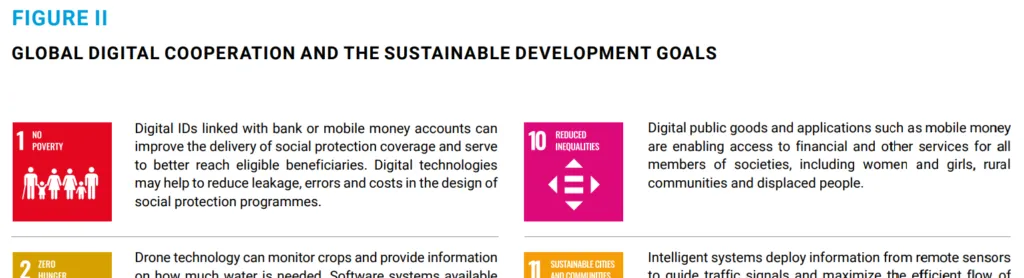
"Digital IDs linked with bank or mobile money accounts can improve the delivery of social protection coverage and serve to better reach eligible beneficiaries. Digital technologies may help to reduce leakage, errors and costs in the design of social protection programmes."
Additionally, "Now that we have a Digital Identity Wallet, we have to put something in it," EU Commissioner Thierry Breton said. He was presumably referring to a digital euro, a central bank digital currency (CBDC).
Now the Trump administration is doing something identical. On August 18th, the Treasury Department filed a request for comment in the Federal Register which seeks a response from financial institutions, tech firms, and the public to give their input on "innovative or novel methods, techniques, or strategies to detect and mitigate illicit finance risks involving digital assets."
This is part of an obligation mandated in the Guiding and Establishing National Innovation for U.S. Stablecoins Act (GENIUS Act), a bill that President Donald Trump signed in July that establishes a framework for stablecoins; digital dollars, programmable tokens acting as "money," providing corporations and other third-party entities to effectively become a "bank" that can issue stablecoins pegged to the U.S. dollar. As I covered in my report the week it was signed - after Congress held the longest voting session ever in its history - the bill effectively creates CBDCs that are managed by third-party operators in collaboration with the U.S. government for regulation, and technology and funds linked back to the Federal Reserve.
Please go to The Winepress to continue reading.
________
It has started in Thailand as a "test case":

No comments:
Post a Comment
Note: Only a member of this blog may post a comment.